Increasing Access to Real Food
Leading the way to improve the health of low-income Texans
- Related Services:
- Coalition Building
The Problem
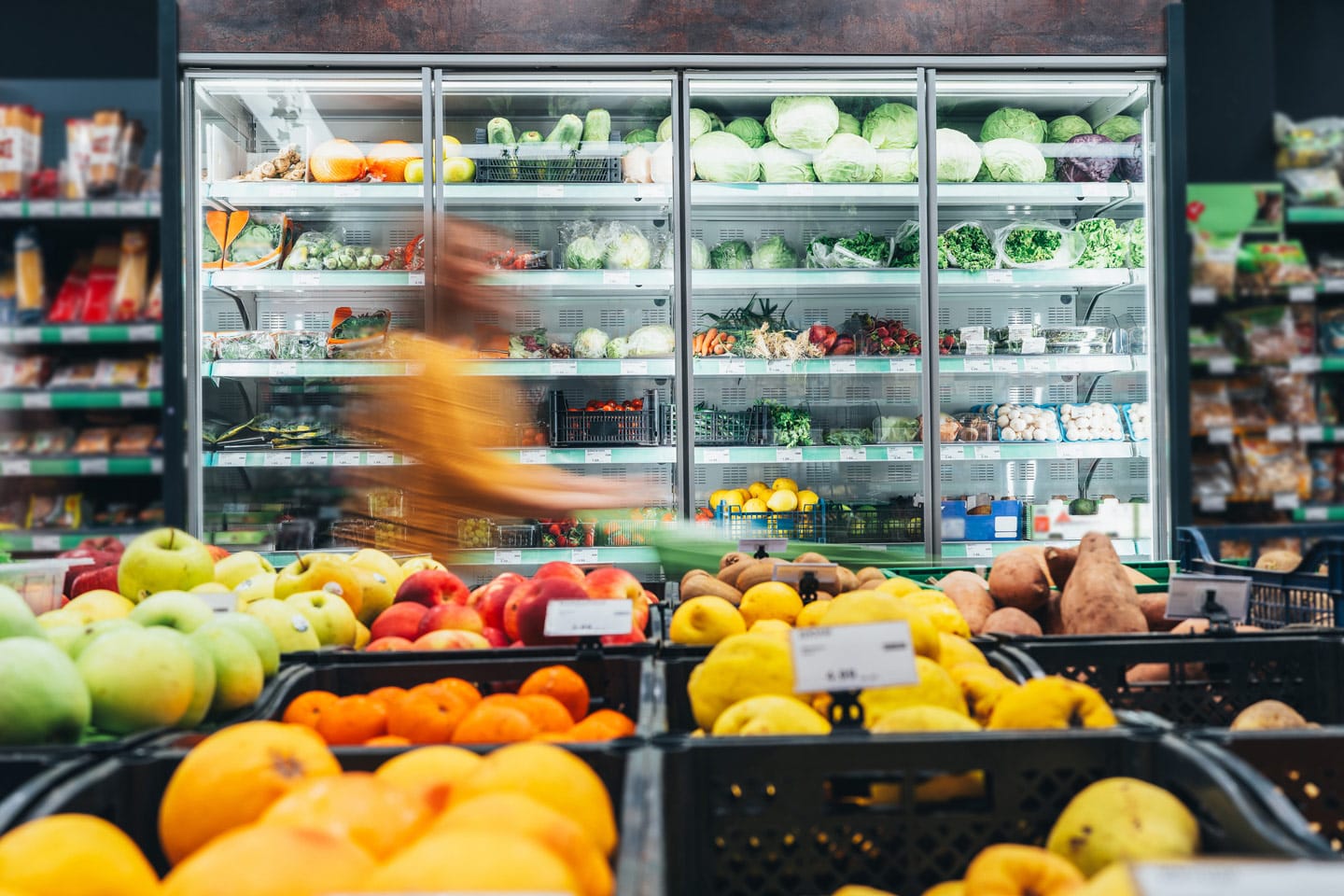
Nearly 90% of US health care spending is for people who have chronic diseases, and these diseases are the predictable result of the Standard American Diet permeated by foods that are ultra processed with refined carbs, added sugars, excess salt, unhealthy fats, and chemical additives. Coupled with a sedentary lifestyle, the result is that over 70% of adults are overweight or obese, one-third of teens have prediabetes, and only 40% are fit for military service. In response to these concerns, Texas lawmakers commissioned research in 2019 to examine whether nutrition incentive programs could help reduce the risk of chronic disease by improving diet quality. HHSC studied a pilot program, concluding that rebates, vouchers, and education encouraged “the purchase of fruits and vegetables among SNAP recipients.” HHSC also highlighted research showing that nutrition incentive programs result in long-term cost savings by reducing chronic disease.
In the following four years, USDA awarded $2.7 million in Texas to launch nutrition incentives programs, and matching funds were provided by philanthropic foundations and local governments. National research demonstrated early success: participants ate almost 3 cups of fruits and vegetables daily, more than the average American.
Our Approach
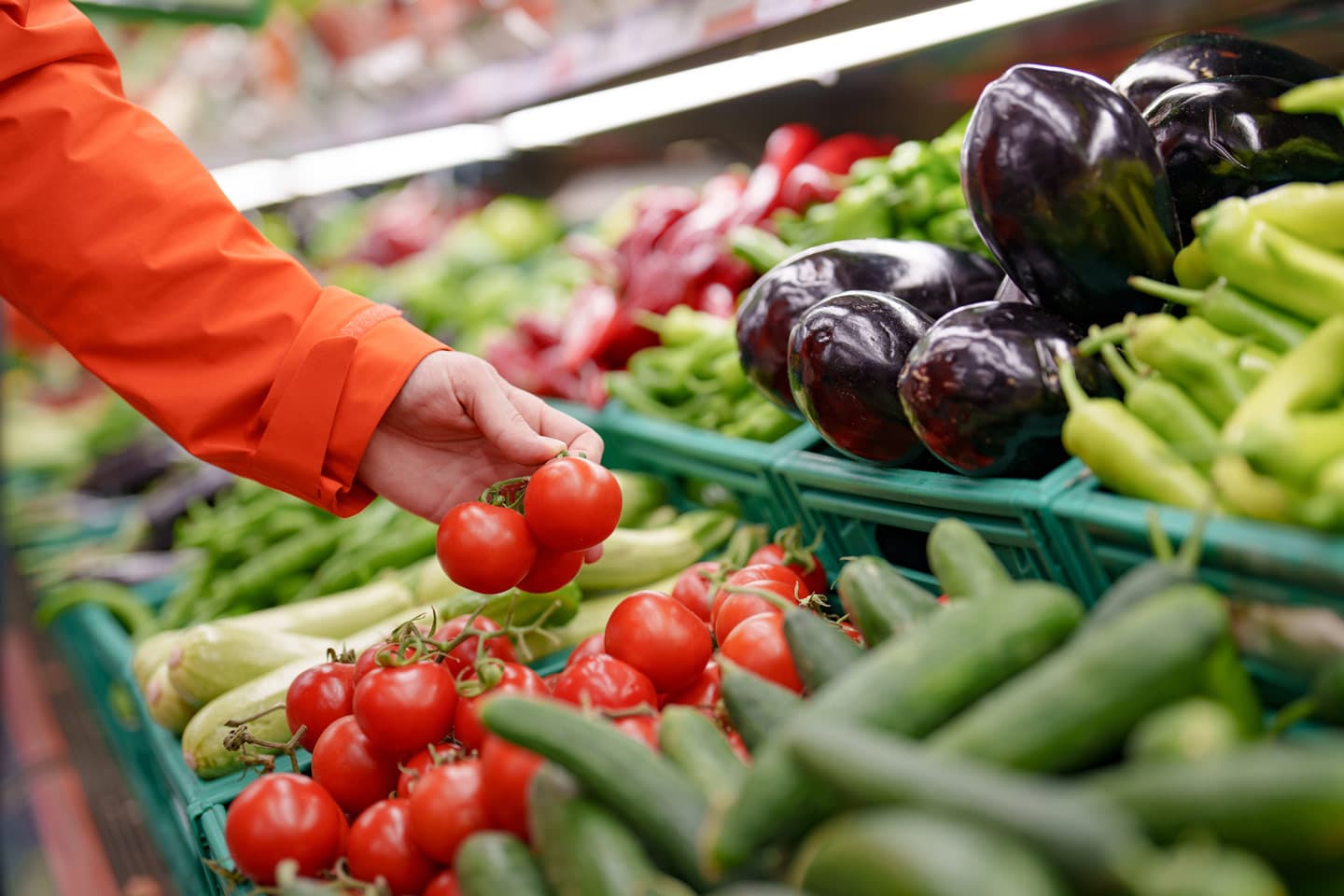
In 2022, we offered this preliminary information to lawmakers, and recommended that the state match federal funds by supporting the Double Up Texas (DUTX) nutrition incentives program. In 2023, we collaborated with Sen. Perry to draft a rider providing new and foundational support for the program. Article II Chairs Kolkhorst and Jetton championed the rider. In the interim following program launch, we offered updates on program implementation, and lawmakers also received expert testimony. In 2024, we drafted a whitepaper detailing DUTX and its benefits, briefed legislative staff who work on health and human services policy, and earned their ongoing support. We distributed printed materials to increase awareness of the program, and we provided timely answers to policymakers’ questions throughout the appropriations process.
Breakthrough Solutions
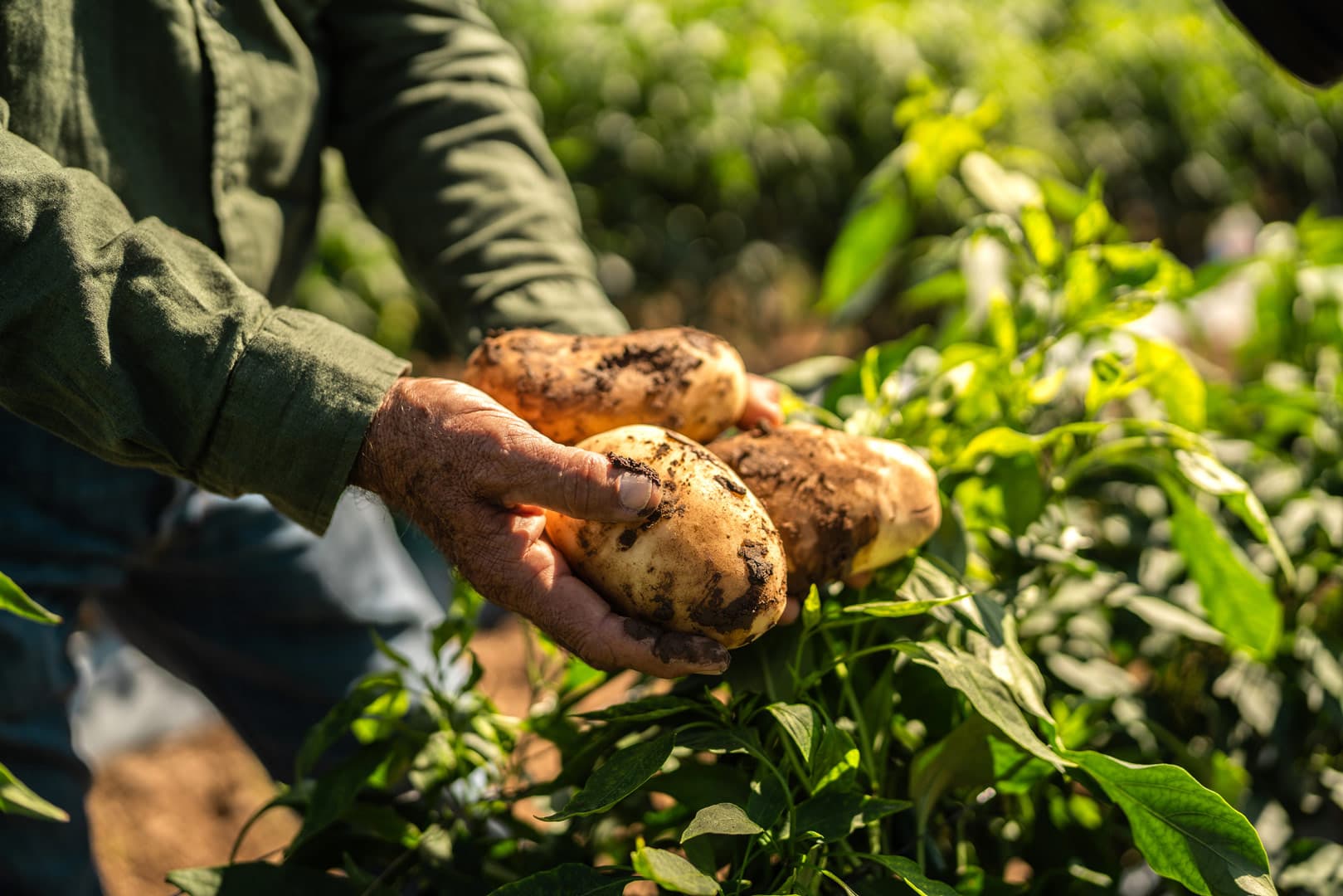
A 2025 program evaluation by Baylor University and the UT School of Public Health in Houston found that, of all DUTX participants:
- 90% increased consumption and variety of fruits and vegetables;
- 88% tried new types of produce because of DUTX; and
- 80% decreased consumption of unhealthy snacks like chips, candy, and cookies.
We won continued approval for DUTX in 2025 by demonstrating the program’s potential to secure health benefits immediately and promote healthy habits long-term. SNAP benefits are time-limited and gradually decrease as income rises to encourage enrollees to obtain self-sustaining employment. DUTX supports vulnerable Texans at a moment they most need help and encourages healthy habits that beneficiaries will maintain when they are financially stable and no longer need SNAP benefits. DUTX is combating chronic disease by putting real food back at the center of the Texan diet.