Securing Landmark ESA Legislation
Crafting winning strategies that empower parents.
- Related Services:
- Policy Development
- , Lobbying
The Problem
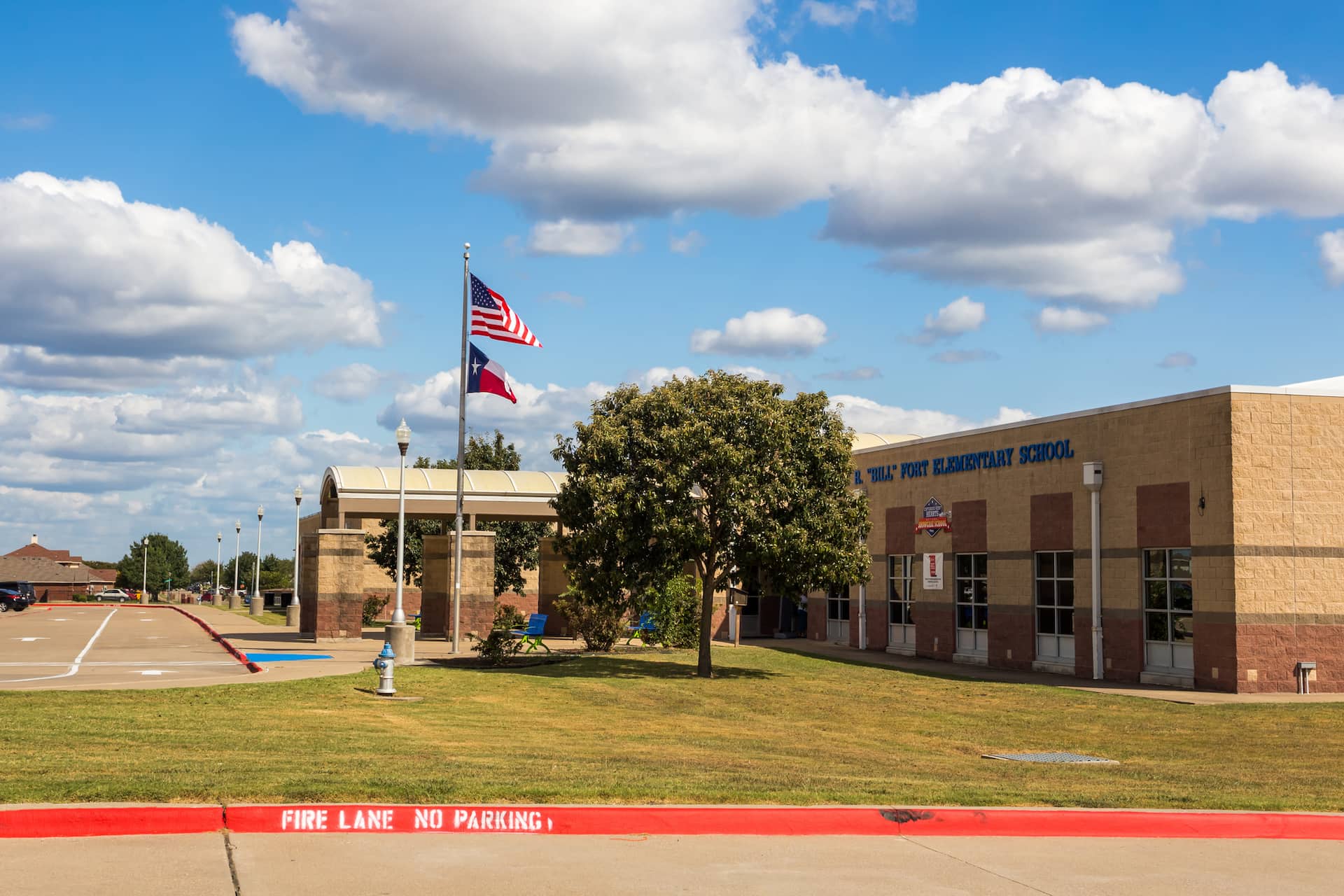
Nationally, the education market has been reshaped for years by parents’ desire to personalize their children’s learning with high-quality academics in a safe and loving setting. We shed light on this in both House and Senate testimony, highlighting the fact that demand was high at both Texas charter schools (where waitlists topped 65,000 students) and magnet schools (where acceptance rates were below 25%). Other states responded to this demand by growing charter schools, homeschools, and school choice. School closures during Covid further increased demand because they were devasting for Texas students. A Dallas mother gave voice to how many parents felt: “As much as I would love the public school system to work for my child, it doesn’t. Am I responsible to the system or am I responsible to my child?” Parents stepped in to help their children. As they looked for long-term solutions, they enrolled in private, home, and micro schools at higher rates than any other time in Texas history. By the end of 2024, over 70% of Texas parents supported universal ESAs.

Our Approach
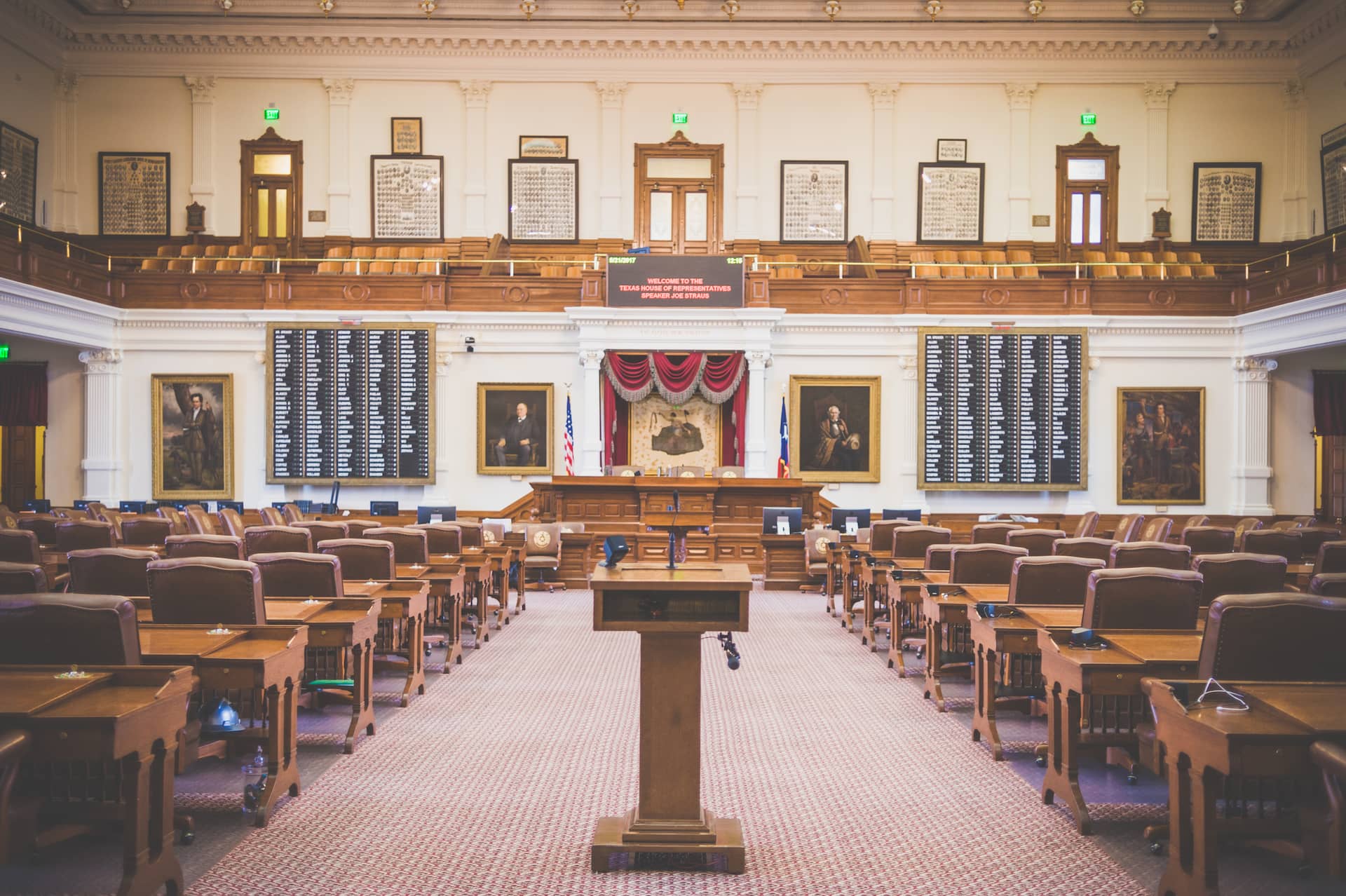
Seeing the growing demand in 2021, our team established a policy work group which began meeting spring 2022 to draft recommended bill text. We negotiated compromise language satisfactory to critical stakeholders, and helped lawmakers start the 2023 session with broad support for a robust ESA in Chairman Creighton’s SB 8 (88 RS). In May 2023, Public Education Committee Chairman Buckley sponsored SB 8. Though the bill died, Chairman Buckley’s leadership was a heroic milestone: no House Education Chairman had sponsored a school choice program since former Rep. Kent Grusendorf in 2005. Throughout the regular session, we also effectively mitigated the risk that a poorly crafted bill would gain traction through ongoing conversations with lawmakers and state leadership. In two special sessions, Senate Education Chairman Creighton authored and passed ESA bills. At the same time, Chairman Buckley authored ESA bills, which was unprecedented in Texas House history.
Goal Alignment
When a bill again failed to pass and the election season began, we continued to study universal ESA implementation in other states. Our goal was to identify policies that would ensure smooth implementation in a universal program offering many high-quality options. Collaborating with national and Texas non-profits, we identified several pain points in other states which were frustrating parents who signed-up for universal ESAs. Foremost among the problems were a lack of parent support, which was driving 80% of parent attrition, and payment systems, which was resulting in long-delayed payments. During the 2025 legislative session, we successfully lobbied for minimum standards on parent support and payment systems in SB 2 (89 R). The bill passed and established Texas’ Education Freedom Accounts.
Breakthrough Solutions
Our team succeeded for several reasons. First, we based our work on primary-source analysis rather than accepting other people’s opinions. We studied campus-level, primary source data and saw a once-in-a-generation enrollment shift. We planned an equally bold policy recommendation to provide long-term support for this shift. Second, everyone knew that Covid was hard on families, but ESAs didn’t have the votes to pass the legislature. Our team had the discipline to act early, craft quality policy, and endure temporary defeat for the sake of achieving ultimate victory. Third, our team’s relationships allowed us to broker a compromise among stakeholders, and whittle down the policy differences to a single issue. This helped lawmakers focus on crafting solutions to high-priority decisions, rather than spending time on mundane program mechanics. Last, we rejected short-term pressure when we looked for failures in other states; we followed the truth wherever it took us. When we found problems with parent support and payment systems, we flagged them and recommended solutions. Some stakeholders strongly objected to this, but our clients tasked us with empowering families, especially low-income families, with the freedom to choose the best education for their children. We never lost sight of that goal.

Key Points
High Demand for School Choice
Texas parents showed high demand for personalized education, with charter school waitlists topping 65,000 students and over 70% supporting universal ESAs by the end of 2024. This need was amplified by the devastating impact of COVID school closures on Texas students.Persistent Policy Development
The team established a work group in Spring 2022 to craft quality policy and negotiate compromises, maintaining the discipline to endure temporary legislative defeats (like the initial failure of SB 8) for ultimate victory. The persistence included securing sponsorship from both Senate Chairman Creighton and House Chairman Buckley.Focus on Implementation Success
After initial bills failed, the team studied other states’ universal ESA programs to identify critical pain points for smooth implementation. This study revealed that lack of parent support (driving 80% attrition) and long-delayed payment systems were major frustrationsStrategic Resolution of Pain Points
The team successfully lobbied during the 2025 legislative session for minimum standards in SB 2 (89 R) to address the critical parent support and payment system issues. The bill passed, officially establishing Texas’ Education Freedom Accounts.Data-Driven Compromise and Focus
Success stemmed from basing work on primary-source enrollment data and leveraging relationships to broker compromise among stakeholders. The strategy focused on solutions that prioritized empowering families with educational freedom, even when facing stakeholder objections.